1. Physical room use, the reservation list, and the day's charges should agree or have an explained exception.
2. Check successful collections separately from balances still due and money awaiting bank settlement.
3. Resolve guest-safety and double-selling risks now; carry other permitted open work forward with evidence and an owner.
A small hotel's night audit is the final check of its operating day, not a demand to collect every outstanding balance before midnight. The purpose is to leave accurate room, charge, payment, and arrival records for tomorrow's team.
Use this hotel night audit checklist with your property's closing procedure. First identify the business date being closed. That date can differ from the calendar date after midnight. Do not advance it or repeat a closing run simply because the computer clock has changed.
Reconcile Rooms Before Balancing Money
Start with the actual rooms used tonight. Compare the in-house list, departures, room assignments, and housekeeping or maintenance holds. Investigate a room marked vacant while someone is inside, or a departed guest still occupying a room on screen.
For a hypothetical 20-room hotel, 17 occupied rooms, one vacant room under maintenance, and two other vacant rooms account for the whole property. A confirmed no-show is not an eighteenth occupied room. Whether a fee is due is a separate question from physical occupancy.
If the count disagrees, trace the specific room. Common causes include a room move not completed in the system, an extension missed by reception, or an unrecorded departure. Verify uncertain occupancy through the hotel's authorized procedure; do not let a screen color replace a physical check when one is needed.
Check the Charges Attached to Those Stays
Review room charges for the business date, approved rate changes, complimentary stays, and extras not yet posted. Confirm that a moved guest has not been charged twice for the same night. Check whether the system has already posted the night's charges before adding anything manually.
An unsettled guest bill is not automatically an error. An in-house guest may legitimately pay at departure. The questions are whether the charge is correct, the payment arrangement is understood, and any amount overdue under hotel policy is being followed up.
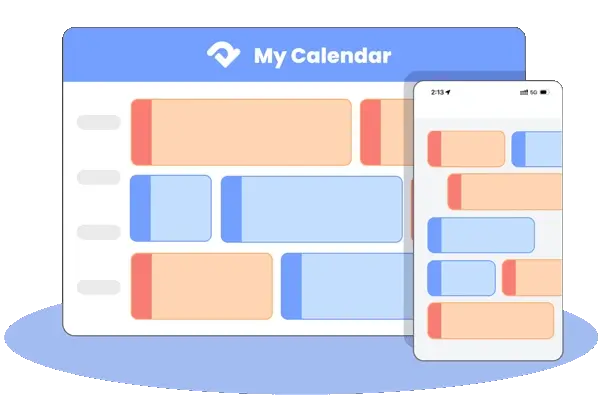
Use the hotel front desk calendar to move from a room discrepancy to its actual reservation. In Smart Order, check the stay, assignment, and recorded payments together before changing a guest's status. This lets the closing employee distinguish a wrong room record from a genuine payment issue instead of changing both to force a match.
Trace a Closing Difference Back to the Stay
Review room assignments, reservations, and recorded payments before correcting tonight's room count or asking a guest for another collection.
Work Through Payments, Late Arrivals, and No-Shows
Once the room position is understood, use this sequence for the remaining closing work. The hotel's own procedure determines which actions need manager approval and which are handled automatically by its PMS, or Property Management System.
- Match today's collections to their evidence. Compare recorded cash, completed card payments, transfers, and other receipts with the corresponding reservations or bills. Reconcile cash to the cashier's opening float, takings, authorized payouts, and cash drops. A bank payout may settle later; do not treat that delay as proof the guest has not paid.
- Identify unresolved payment attempts. Separate pending, failed, refunded, and successful transactions. Check the original reference before retrying a collection or returning money. Never enter an invented payment or discount just to make the close balance.
- Resolve departures still open on screen. Confirm whether the guest left, extended, or has an approved late checkout. Follow the authorized checkout and balance-handling procedure. Do not check out a guest who is still occupying the room merely to clear a list.
- Contact expected late arrivals through the approved route. Check current messages, the booking's arrival arrangements, and any after-midnight arrival plan. A guest who has not arrived at the calendar change is not necessarily a no-show. Keep the room protected until the responsible employee makes the correct decision.
- Record genuine no-shows deliberately. Confirm the guest did not arrive, review the booking terms and payment responsibility, and obtain required approval. Record the status and any applicable fee through the correct hotel or channel process. Do not assume one status change completes the OTA report or collects the fee.
- Review changed or unresolved OTA stays. Check recent date changes, cancellations, missing arrivals, and apparent duplicate bookings against the current channel record. Search by booking reference before creating a temporary entry. Protect inventory once, and mark any manual workaround for follow-up so a later imported booking does not become a second stay.
- Recheck the immediate next arrivals. Confirm that the next shift can identify the correct dates, room type, payment arrangement, and any unresolved arrival instruction. Keep a maintenance room unavailable even if it was cleaned overnight.
The OTA review is one part of this close, not a second full audit of every channel booking. A connected hotel channel manager gives staff current reservations and availability to check. A connection does not remove the need to investigate the few stays that still disagree.
Decide What Can Carry Into Tomorrow
Some differences make the operating record unsafe. An occupied room offered to another arrival, a guest whose actual location is unknown, or a confirmed double collection needs immediate containment and escalation. An unexplained difference should never disappear behind a balancing entry.
Other work may legitimately remain open: a future OTA payout, a corporate balance within agreed credit terms, or a refund awaiting the provider's final result. Follow the property's close requirements and authorization policy rather than treating every open item as a reason to collect money immediately.
For each permitted carry-forward, record the reservation or transaction reference, verified position, amount or room exposure, next action, responsible person, and review time. For example: "Deposit confirmed by provider; reservation posting under review; do not collect again; finance to check at 9 a.m."
If the PMS blocks closing, read the specific unresolved requirement and follow its supported procedure. Do not remove a valid hold, cancel a genuine stay, or run the same close twice to get past a warning. Some hotels use automated end-of-day processes; their staff still need to check the operating results.
Save a Close the Owner Can Review in the Morning
Complete the authorized close and save the required reports with the property, business date, and run time. Confirm whether the date advanced or the automated process completed as expected. Check the next day's arrival and in-house views before leaving the closing task.
Keep occupancy, room revenue, collections, open balances, and unresolved cases distinguishable in hotel reporting and analysis. The totals need not all be equal: revenue records charges, receipts record money collected, and some stays remain unpaid under legitimate terms.
The owner or morning manager should review the actual exceptions and approvals, not repeat every routine check. Ask why each important difference exists, whether the room or guest is protected, and whether the next action happened. Review recurring causes separately from this night's correction.
A useful closing note is brief because it points to reliable records. Keep full card details, access codes, and identity documents out of ordinary shift notes. The night audit is finished when tomorrow's team can trust the operating position and find the work that still needs attention.